The Cold File Disappearance
Disappearance
People who walked out of the documentary record and were never found. The discipline of this shelf is to separate the disappearance itself, which is what the file holds, from the theories about where the person went, which is what the file does not. We work from the last verified sighting, the last credible communication, and the search record that followed. Where a named individual was suspected and never tried, we handle them on the legal record, attribution and all, and never beyond it. The point of a missing-person file is what is missing from it.
19 cases on file. 16 unexplained, 2 disputed, 1 partially explained.
Case files
-
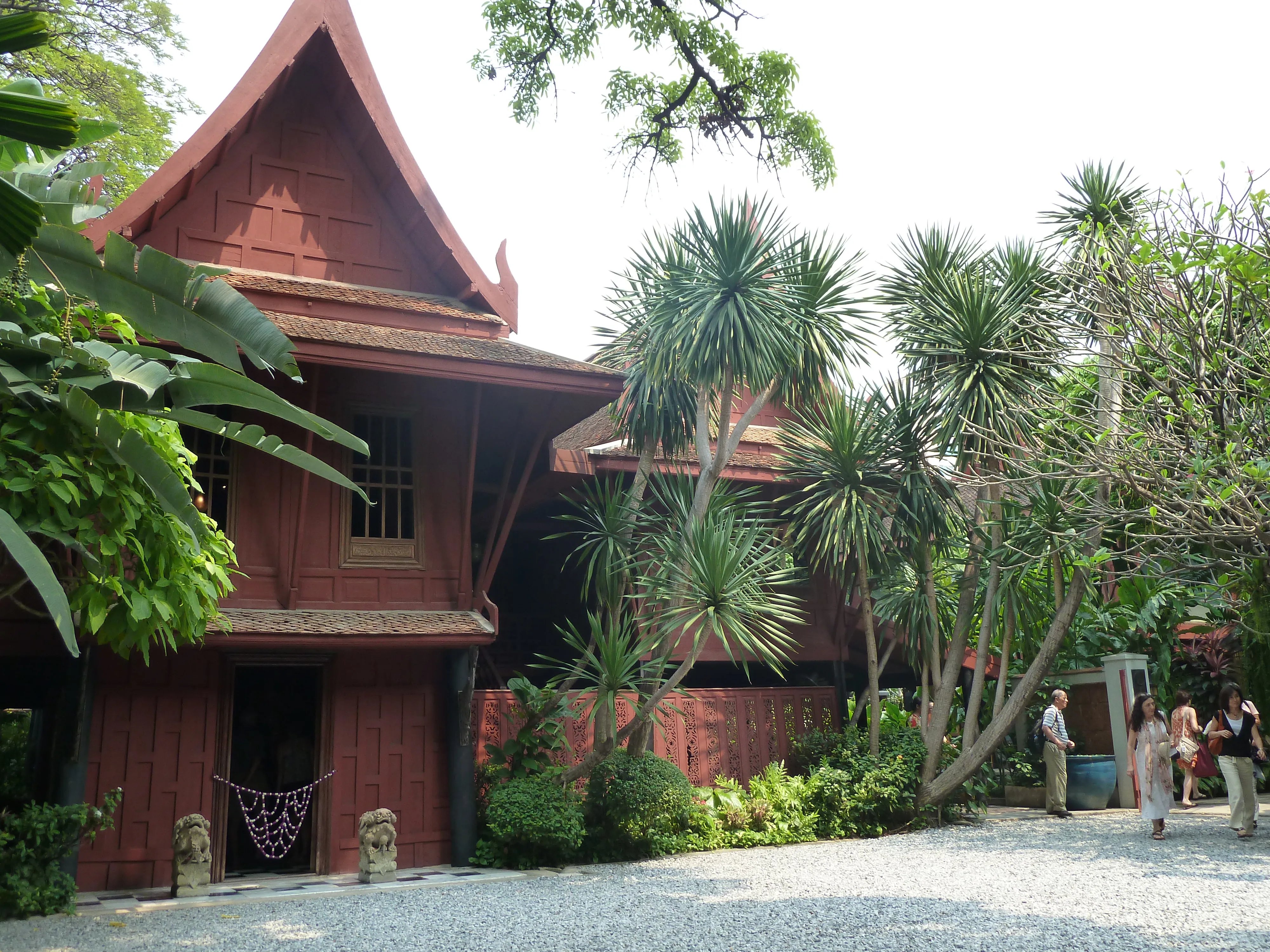
The Walk in the Cameron Highlands: The Disappearance of Jim Thompson, 1967
A globally famous man walked out of a hill bungalow in Malaysia on Easter Sunday 1967 to take an afternoon stroll and never came back. One of the largest land searches in Malaysian history found no body and no trace, and the cause of his disappearance has never been established.
The open question What happened to Jim Thompson after he walked out of a Cameron Highlands bungalow on Easter Sunday 1967, and why was no trace of him ever found?
-
Naples to Palermo, 25 March 1938: the disappearance of Ettore Majorana
On consecutive days the 31-year-old theoretical physicist posted two letters that contradict each other on the question of whether he meant to die. Eighty-eight years on, a contested 2015 Italian prosecutorial filing reads the case one way, and the documentary record still does not close.
The open question What happened to Ettore Majorana between his 26 March 1938 departure from Palermo aboard the return Tirrenia steamer and the docking in Naples the next morning, and was the man photographed as 'Bini' in Valencia, Venezuela in June 1955 actually him?
-
The Last Word from N-209: The Disappearance of Sigizmund Levanevsky and Crew on the Trans-Polar Flight, 13 August 1937
The third Soviet trans-polar flight of 1937, after Chkalov in June and Gromov in July, lifted off from Shchelkovo airfield outside Moscow on 12 August with a six-man crew and the political weight of a propaganda program; the aircraft crossed the North Pole the next afternoon, reported an engine failure and icing, and vanished, and after eighty-eight years of Soviet, American, Canadian, and Russian Geographic Society searching, the cause is still genuinely open.
The open question What became of Sigizmund Levanevsky and his five crew aboard the Bolkhovitinov DB-A USSR-N209, last in radio contact at 17:58 Moscow time on 13 August 1937 over the polar ice cap, after reporting an engine failure, heavy cloud, and icing?
-
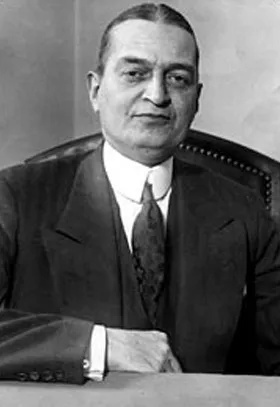
The Missingest Man in New York: Justice Joseph Force Crater, 6 August 1930
A sitting New York Supreme Court justice walked out of a Manhattan chophouse on a Wednesday evening in August 1930 and was never positively seen again. A grand jury, the NYPD, the City Bar, and the Seabury Commission worked the surrounding ground. None reached a determination. Ninety-five years on, the only formal finding remains a Surrogate's Court declaration of death.
The open question What happened to Justice Joseph Force Crater between the moment he stepped into a taxicab on West 45th Street on the evening of 6 August 1930 and the absence of any subsequently confirmed positive sighting in the ninety-five years since?
-
A Boat Found Empty Below Diamond Creek: The Disappearance of Glen and Bessie Hyde, 1928
On 18 November 1928, a young Idaho farmer and his new wife pushed off below Hermit Rapid on a honeymoon attempt to set a speed record through the Grand Canyon. Their boat was found upright and fully provisioned on Christmas Day at the foot of the canyon, with their food, their gun, and Bessie's journal still aboard. The Hydes themselves have never been found, and the cause of the disappearance has never been established.
The open question What happened to Glen and Bessie Hyde after they re-launched their scow below Hermit Rapid on 18 November 1928, and why were no remains ever found in a heavily-traveled section of the Colorado River?
-
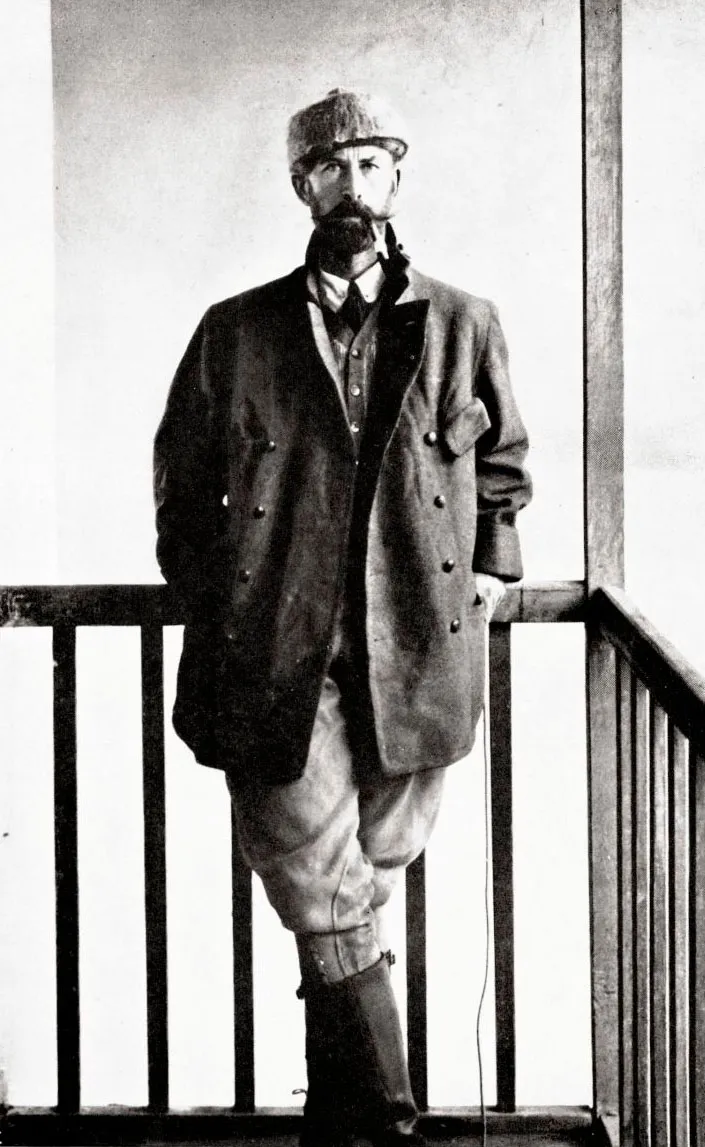
Into Unexplored Territory: Colonel Fawcett and the Search for Z, 1925
A celebrated explorer, his son, and his son's friend walked into the Mato Grosso after a last letter dated 29 May 1925 and were never found. The lost-city quest was real, but it was built partly on a disputed 1753 manuscript, and a century of answers, a confessed-bones case, sightings, and stories blaming named indigenous peoples, has produced no proof of how, where, or at whose hands they died.
The open question What became of Percy Fawcett, his son Jack, and Raleigh Rimell after their last letter of 29 May 1925, and whether they died of the country itself or at someone's hands.
-
The 12:50 Sighting on the Northeast Ridge: George Mallory and Sandy Irvine, Mount Everest, 8 June 1924
Noel Odell, climbing in support at about 26,000 feet, looked up through a clearing in cloud at 12:50 PM and saw two black spots moving up a rock step high on the Northeast Ridge; he was the last person to see George Mallory and Sandy Irvine alive, and whether they reached the summit that afternoon, twenty-nine years before Hillary and Tenzing, is the question their case still turns on.
The open question Did George Mallory and Sandy Irvine reach the summit of Mount Everest on 8 June 1924, twenty-nine years before Edmund Hillary and Tenzing Norgay, before they fell?
-
The Millionaire Who Walked Out of the Grand: Ambrose Small, 1919
On 2 December 1919 the Toronto theatre magnate Ambrose Small was last reliably seen at the Grand Opera House he owned, a day after his wife deposited the first million dollars of the roughly $1.75 million sale of his theatre chain. He was never found, alive or dead. His secretary vanished the same day with $105,000 in bonds and was convicted only of that theft, the case drew decades of suspicion and a flood of false sightings, and no one was ever charged in the disappearance.
The open question What became of Ambrose Small after he was last seen at the Grand on 2 December 1919, a wealthy man who vanished with a fortune in hand and was never found, alive or dead?
-
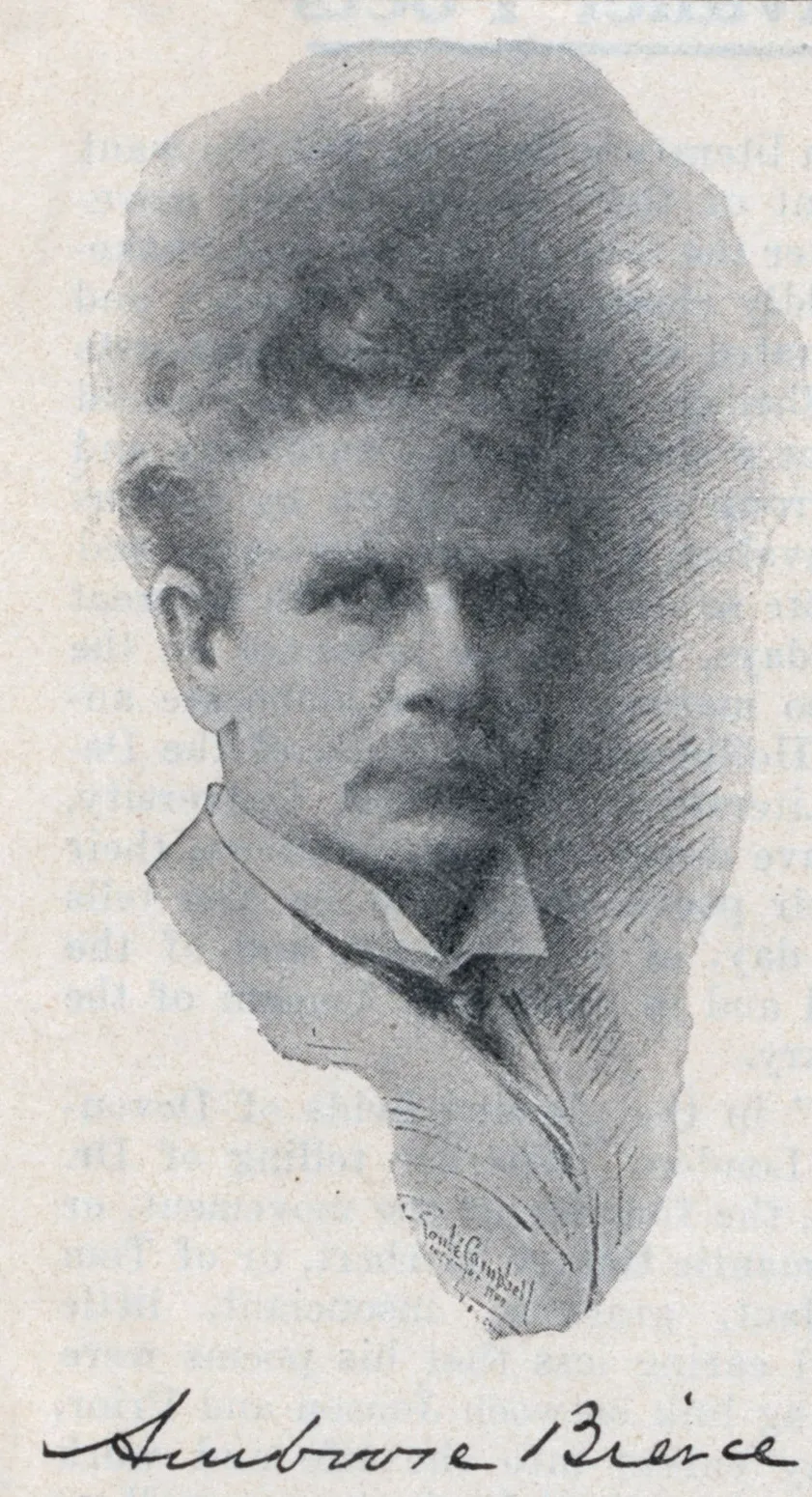
An Unknown Destination: The Disappearance of Ambrose Bierce, 1913
The American writer and Civil War veteran known as Bitter Bierce left Washington in October 1913 at about seventy-one, headed for the Mexican border, and was never reliably heard from again. No body, no grave, no death record has ever surfaced. The romantic story of an old man riding off to die with Pancho Villa rests largely on a secretary's notebook reconstructed from destroyed letters, and the US government could not even confirm he entered Mexico.
The open question What became of Ambrose Bierce after October 1913, given that the only record of his final months is a secretary's transcription of destroyed letters and no body, grave, or death record has ever been found.
-
Six Weeks Before the Public Knew: The Disappearance of Dorothy Arnold, 1910
On a Monday afternoon in December 1910, a twenty-five-year-old Manhattan socialite parted from a friend outside a Fifth Avenue bookshop and walked north into Central Park. She was never reliably seen again. Her family did not tell the police for roughly six weeks, by which time the trail was cold; 115 years later, no theory of what became of her has ever been confirmed.
The open question What became of Dorothy Arnold after she parted from a friend outside Brentano's at Fifth Avenue and 27th Street shortly before 2 p.m. on 12 December 1910 and walked north toward Central Park, and how much of the case was lost in the six weeks her family kept it private?
-
The Last Sail from Vineyard Haven: Joshua Slocum and the Sloop Spray, 14 November 1909
The first person on record to sail alone around the world (Boston 1895 to Newport 1898) lifted anchor on his rebuilt sloop Spray at Vineyard Haven on 14 November 1909, bound for the Caribbean. A Massachusetts court declared him legally dead in 1924. The cause has been contested for 116 years.
The open question What became of Joshua Slocum, pioneer of solo round-the-world sailing and author of Sailing Alone Around the World (1900), and his sloop Spray after he sailed alone from Vineyard Haven Harbor on 14 November 1909 bound for the Caribbean and the Orinoco River: collision with a steamship as biographers Teller (1971) and Wolff (2010) read it, structural failure of the rebuilt Spray, a tropical storm, foul play, or voluntary disappearance?
-
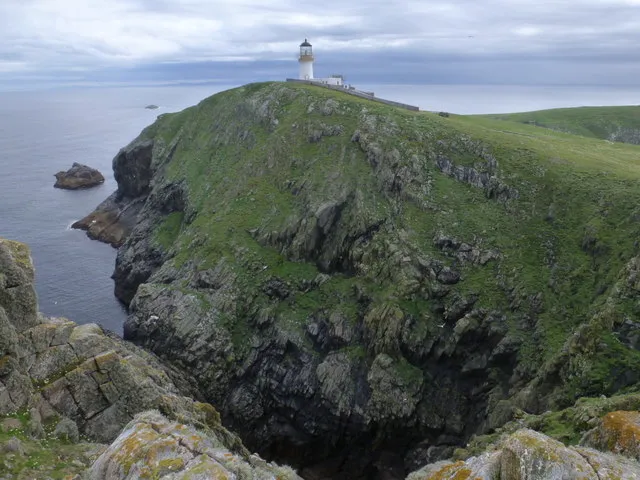
The Light That Went Dark: The Flannan Isles Keepers, December 1900
Three lighthouse keepers vanished from a rock in the Atlantic and were never found. The famous version, with its storm-torn log, stopped clock, and untouched meal, is largely a 20th-century invention. The documented case is quieter, and harder to dismiss.
The open question What exact sequence put three trained keepers at an exposed Atlantic landing at the same moment, leaving the lighted station unattended in a way their training forbade?
-
The Last Camp at Chilkani: Frank G. Lenz Vanishes in Eastern Anatolia, May 1894
A 27-year-old Pittsburgh accountant, sponsored by Outing magazine on a 20,000-mile bicycle ride around the world, was last documented at the Armenian village of Chilkani east of the Deli Baba Pass on 9 May 1894 and is presumed killed the next morning by a Kurdish band led by a man identified to investigators only as Moostoe. The Ottoman state paid roughly $7,500 to his mother in 1901. No perpetrator was ever tried.
The open question What became of Frank G. Lenz, the 27-year-old Pittsburgh accountant and amateur cyclist sponsored by Outing magazine to ride a Victor pneumatic safety bicycle around the world, after he left the Armenian village of Chilkani on the Alashkert plain east of the Deli Baba Pass on the morning of 10 May 1894 and never reached Trabzon, when William Lewis Sachtleben's six-month in-country investigation for Outing in 1895 concluded he had been ambushed and killed near the Hopuz River by a band of six Kurds led by a man identified to Sachtleben only as Moostoe, when the local Ottoman official Shakir Pasha arrested Moostoe and his men but they escaped from custody before any trial, when US Minister to the Ottoman Empire Alexander Watkins Terrell pressed the Sublime Porte for years until a 1901 indemnity of approximately $7,500 was paid to Lenz's mother Anna Lenz without any judicial finding, when no body and no bicycle and no grave have ever been recovered, and when David V. Herlihy's 2010 archival reconstruction in The Lost Cyclist broadly confirmed but could not test in court the Sachtleben Kurdish-brigand reading?
-
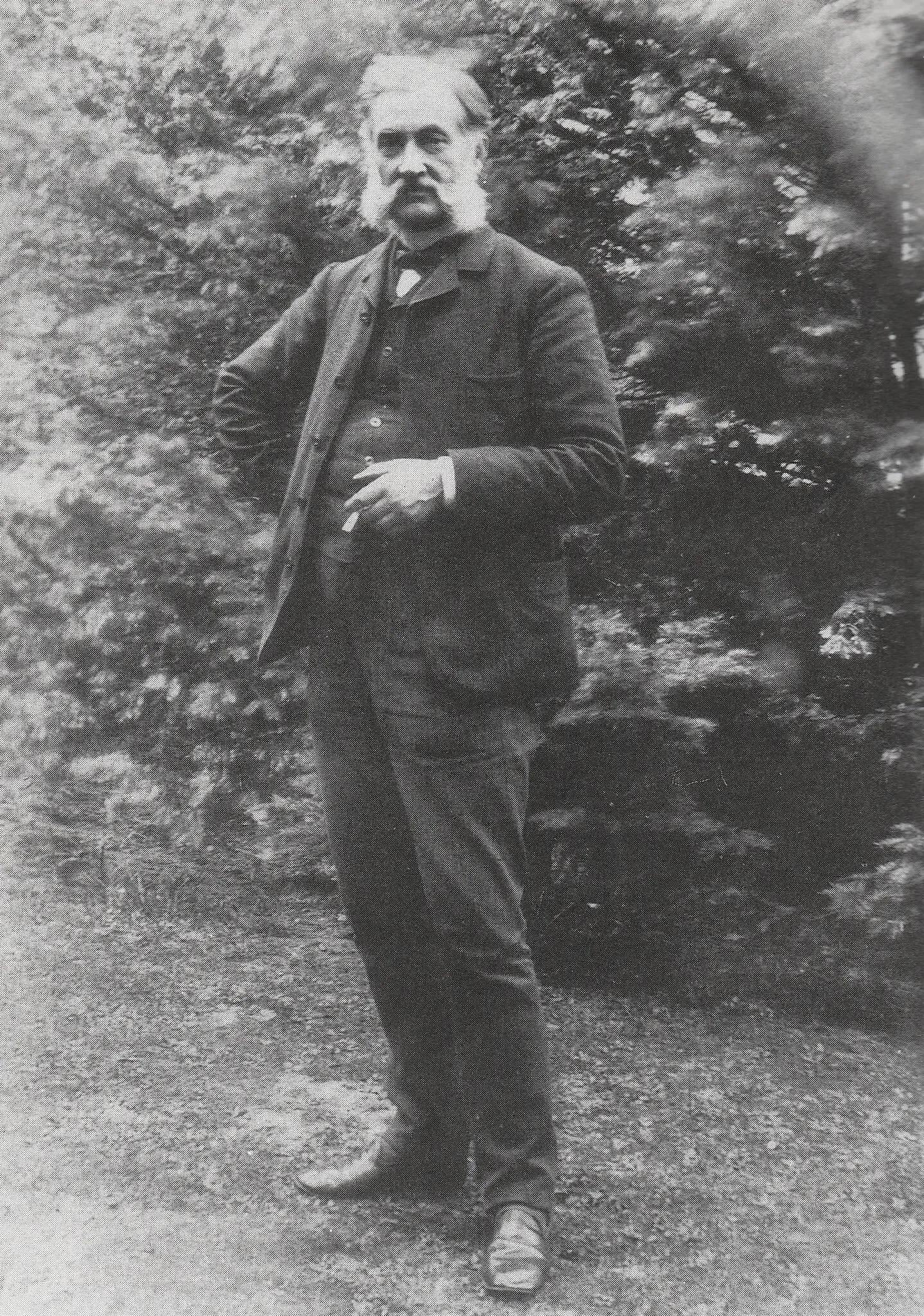
The Inventor Who Stepped Onto a Train: Louis Le Prince, 1890
The man who shot the earliest surviving moving pictures in 1888 boarded a train at Dijon in September 1890, weeks before he was to demonstrate his work in New York, and was never seen again. No body, no luggage, no trace. The cause was never established, and the theories run from accident and suicide to fratricide and murder by commercial rivals, none ever proven.
The open question What became of Louis Le Prince after he boarded the Dijon-to-Paris train on 16 September 1890, a man who left no body, no luggage, and no trace.
-
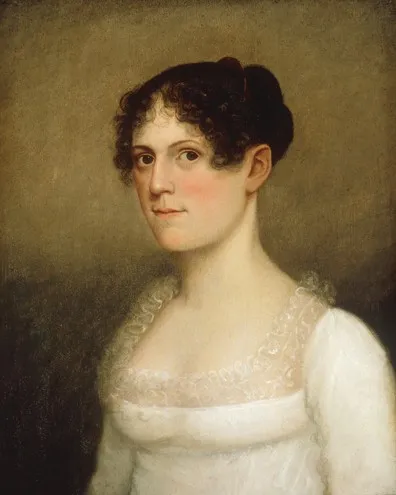
Theodosia Burr Alston and the pilot boat Patriot: 213 years off Cape Hatteras
A former Vice President's daughter sailed from Georgetown, South Carolina, late in December 1812 aboard a privateer rigged to look unarmed; the British blockading fleet stopped her off Cape Hatteras on 2 January 1813 and let her pass; a storm came on that afternoon; she was never heard from again, and the case has stayed open for 213 years on a record that grows thinner the closer you look.
The open question What happened to the Patriot and her passengers between the morning of 2 January 1813 off Cape Hatteras and the days in early 1813 when the loss became certain in Charleston and New York.
-
The Yard at Perleberg: Benjamin Bathurst and the White Swan Post-House, 25 November 1809
Benjamin Bathurst, twenty-five-year-old British envoy returning from Vienna under the assumed name Baron de Koch, halted at Perleberg's White Swan post-house on 25 November 1809, walked into the yard at about 9 pm to see to his carriage, and was never seen again; the Prussian police file led by Captain von Klitzing closed inconclusively, and a skeleton with a fractured skull found in 1852 under a stable threshold a few hundred paces away has never been identified, 216 years on.
The open question What became of Benjamin Bathurst, twenty-five-year-old British envoy returning from Vienna under the assumed name Baron de Koch, after he walked from his private room at the White Swan post-house in Perleberg into the yard at about 9 pm on Saturday 25 November 1809 to inspect his carriage and was never seen again, leaving behind a sable fur coat that surfaced in the possession of the Schmidt family within forty-eight hours, a pair of pantaloons with two bullet holes and no bloodstains found three miles away in Quitzow Wood on 16 December 1809 with a half-finished pencilled letter to his wife in one pocket, and, forty-three years later, a skeleton with a fractured skull under the stone threshold of a stable at a house formerly owned by Christian Mertens that his sister Tryphena Thistlethwayte travelled to Perleberg to inspect and could not identify?
-
James Bay, 23 June 1611: the last voyage of Henry Hudson
On the morning of 23 June 1611, the mutineers of the Discovery cut loose a small open boat off the eastern shore of James Bay and sailed away. In it were nine men: Henry Hudson, his teenage son John, the carpenter who would not abandon him, the ship's mathematician, the mate, and four seamen. No European ever saw any of them again, and 415 years of searching the bay has produced no remains, no shallop, and no certain campsite.
The open question What became of Henry Hudson, his son John, and the seven crewmen cast adrift in a shallop at the southern end of James Bay on 23 June 1611, after the Discovery set sail and left them behind.
-
Roanoke, August 1590: the colony, the carving, and the empty fort
On 18 August 1590, three years and three months after he had sailed for England to fetch supplies, Governor John White stepped ashore at Roanoke Island and walked up to a settlement that had been taken down, re-palisaded with the trunks of great trees, and abandoned. On the right-hand post of the new palisade, in fair capital letters, someone had carved the word CROATOAN. There was no cross. A storm took his cable the next day, the search ended in the surf, and what had become of the 115 to 118 colonists he had left behind in 1587 has not been positively established in the 438 years since.
The open question What happened to the 115 to 118 English colonists left on Roanoke Island between John White's August 1587 departure for supplies and his August 1590 return to find the settlement dismantled, the houses gone, and the word CROATOAN carved on a post.
-
Wales, 20 September 1415: the disappearance of Owain Glyndŵr
A 1412 ambush at Brecon is the last secure attestation. Three years later a Welsh ecclesiastical lawyer at Usk wrote that Owain had died in hiding in the house of one of his daughters, that his followers buried him in the dark, and that when his enemies found the grave they had to move him. Six hundred and ten years on, neither the date nor the burial place has been settled.
The open question Did Owain Glyndŵr die on the night of 20 to 21 September 1415 in the house of one of his daughters in Wales, as Adam of Usk's contemporary Chronicon records, and if so where is he buried?